
When someone offers to pay you for custom clothing, it is a tremendous creative validation. But bespoke client work differs fundamentally from sewing for oneself: a client expects consistency, repeatable fit, clear timelines, and structural longevity.
1. The Non-Negotiable Step: The Calico Fitting Trial (Toile)
Never cut expensive customer fabric (such as pure raw silk, organza, or velvet) on the basis of body measurements alone. Human bodies have unique posture nuances—forward shoulders, sloping bustlines, asymmetric hip heights—that a static measuring tape cannot capture.
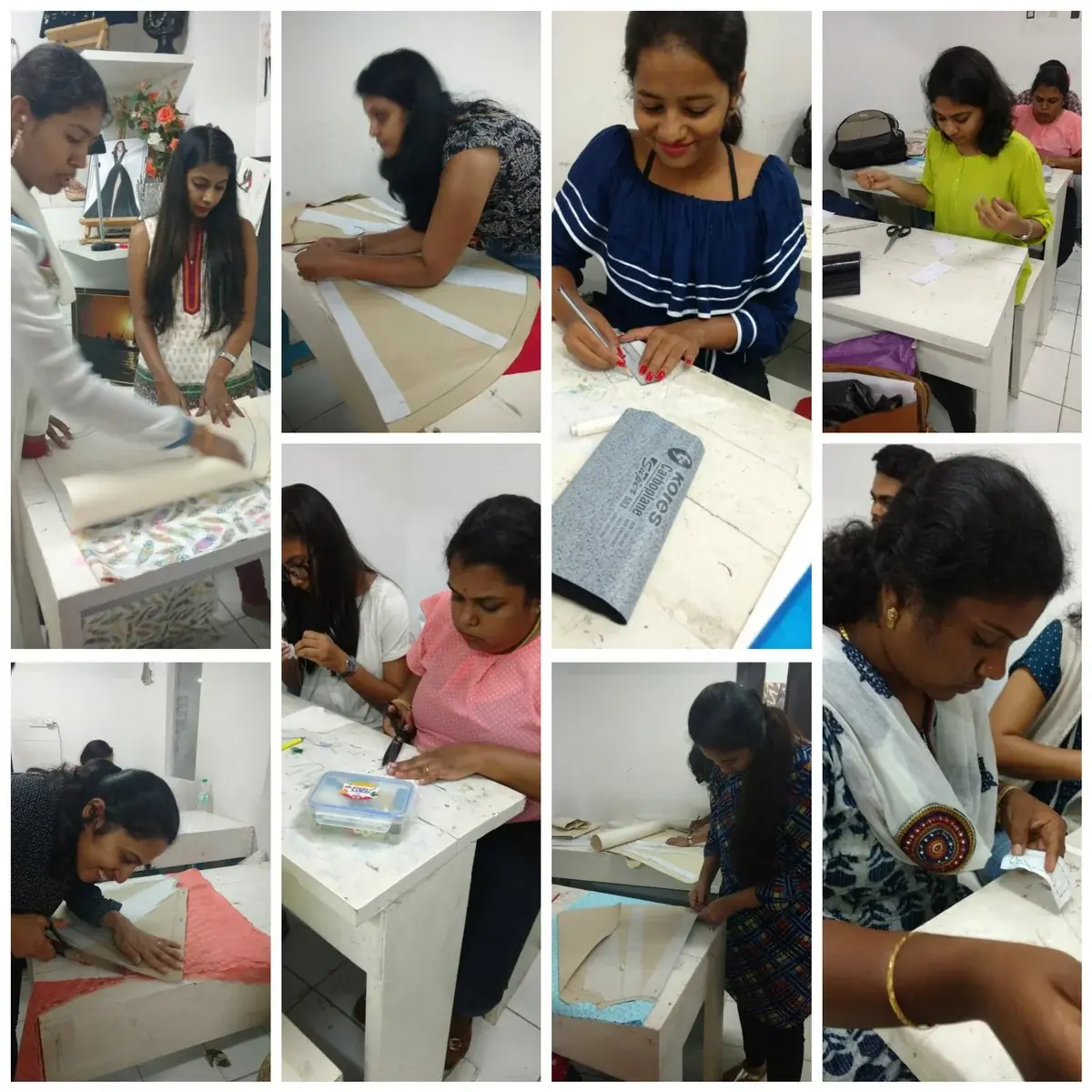
At Vidya Fashion Academy, we train learners to cut an initial muslin or calico toile. Pinning and fitting the toile directly on the client allows you to alter seam allowances, check armhole comfort, and balance the neckline without risking the client's material.
2. Calculating Fabric Shrinkage and Grain Alignments
Before scissors touch the textile, verify whether the fabric needs pre-washing, steaming, or decating. Natural linens and handwoven cottons can shrink 4% to 8% after a single wash. If you stitch a fitted blouse without pre-shrinking, your customer's dry-cleaning or wash will result in an unwearable garment.
3. Pricing: Separating Material Cash from Your Own Labor
One of the most frequent mistakes made by first-time dressmakers is calculating profit simply by subtracting the fabric bill from the customer price. If fabric costs ₹1,200 and you charge ₹2,500, you have not made ₹1,300 in "profit."
You must account for:
- Direct sundries: interlinings, canvas, zips, hooks, and thread (often ₹250–₹400).
- Your own production hours (cutting, basting, machine work, hand hemming, and fitting).
- Studio overheads: machine maintenance, electricity, and admin communication.
Use our interactive Fashion Income & Independence Planner to see how your available hours translate into real monthly cash surplus.
4. Client Brief Documentation
Always provide a written order slip detailing sleeve length, neck depth, closure type, and agreed trial date. When expectations are explicit on paper, client misunderstandings disappear, allowing your craft to speak with authority.